
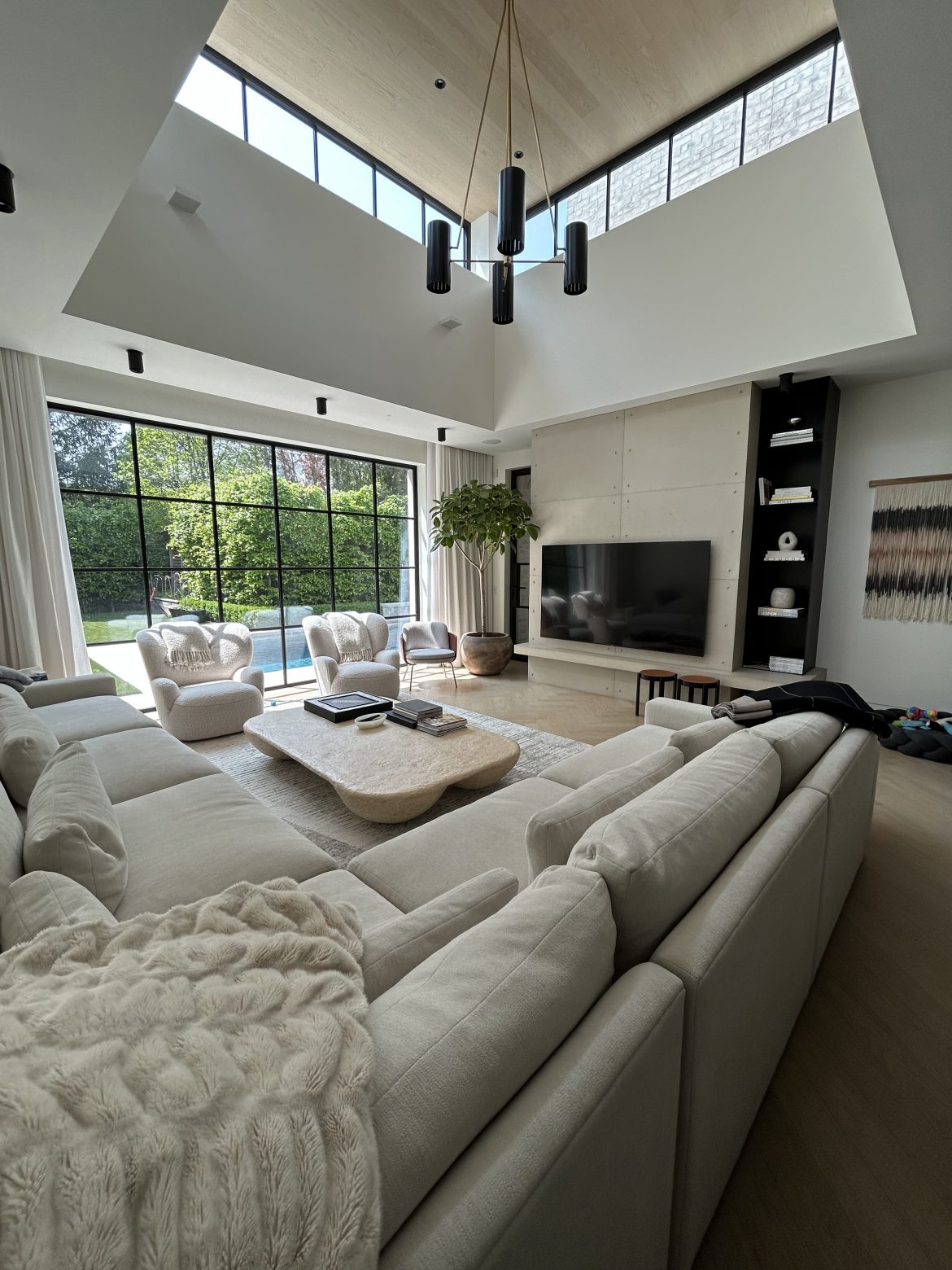
Story | Connie Li Photography | Plantd Life
With the arrival of September, the weather is gradually cooling down. Gardening enthusiasts are starting to worry about their beloved plants and when to move which pots indoors to prevent delicate flowers and plants from freezing.
Others are thinking about how to decorate their homes with flowers and plants to create a warm and vibrant atmosphere during the cold season.

To seek advice, eliteGen spoke with plant designer Tara Soloway. Soloway founded Plantd Life, evolving into a forward-thinking plant design consultancy based in Toronto. Dedicated to elevating spaces with thoughtfully curated interior plant designs, Plantd Life offers solutions tailored to clients’ unique needs and aesthetic preferences. Their comprehensive range of services for residential and commercial projects is approached holistically. It considers such factors as available natural lighting, aesthetics and the overall vision of the space.

eG: What should we pay attention to when moving outdoor plants indoors? Is there anything we need to take special care of?
TS: There are many important things to consider when bringing your plants indoors for the colder months. Keep in mind it will be a major transition for your plants, depending on where they were living outdoors. Were they basking in the warm sun all day, were they exposed to a breeze, were they getting poured on in the rain? Indoor conditions are different and might be an unhappy adjustment for your plant. While it would be convenient to live in a warmer climate for your plants, we’re in Canada and need to act accordingly.

The first and most important thing to do when bringing in plants is to inspect them carefully, leaf by leaf (especially the underside) for bugs, cobwebs and other lovely critters hiding on the leaves. This means you should spray, wipe down and inspect the soil as well. Then you need to quarantine your outdoor plants in an area far enough away from other indoor plants to avoid spreading any pests to your indoor plants. It’s amazing how easily pests can attach themselves to new plants.
As the days get shorter and your sunlight lessens, you will need to keep a watchful eye on your plants. Many plants tend to go dormant as we approach the colder months, so if you notice a bit of leaf drop, or the plant is not looking like its best self, know that it’s just getting ready for winter. In fact, many plants go dormant during the colder months so that means less
growth and thriving. Overall, they will also likely need less water and fertilizer. Some people completely cease to fertilize in the cooler months, but it also depends on the type of plant.

eG: Can you provide us with any advice and suggestions for indoor plants and arrangements for the colder seasons?
TS: Since there is less sun during the day in winter months, try to give your plants the best exposure to the light they can get. That means strategically placing plants in the right lighting conditions near windows.
Plants need to be watered less in the colder seasons as they are getting less light. You should be aware of the specific watering and care needs for each plant and modify your watering accordingly.

Another cold weather suggestion is to install some grow lights for your plants. These are specific lights that are used in greenhouses to help enhance plant growth. There are some really nice new stylish grow lights on the market that will potentially match with your decor and can be added to track lighting.
eG: Are there any trends in plant design and biophilia?
TS: Terracotta: Terracotta planters and pots are making a stylish comeback for both indoor and outdoor planting, although they never really went out of fashion. I favour the dusty rose options for their sophisticated and chic vibe. These planters are not only aesthetically pleasing, but are also beneficial for plants—thanks to their porous qualities that enhance airflow and moisture regulation, which promotes healthier root systems and overall vitality.

Inspiring Plant Design: From an interior and exterior design perspective, well-chosen plants seamlessly enhance the entire environment while providing added wellness benefits. The plant design can work alongside interior designs, buildings and decorations to create the healthy living spaces. A recent favourite of mine includes a stunning cactus garden designed for a home office, showcasing the ability to transform spaces with creative and inspiring plant designs.
Plant Therapy: Since the pandemic, plants have become an essential part of people’s lives. I constantly encourage my clients to touch and clean their plants’ leaves, practise the meditative art of bonsai pruning and repot plants as they grow—basically, “roll up your sleeves and get your hands dirty!”

Traditional Plants Re-Imagined: Classic houseplants are having a major resurgence. I’m now reimaging and planting large, stylish dracaena and aralia trees, along with unique ficus varieties, like the triangle and weeping fig. These once-overlooked nursery finds are now the trendsetters. With the right planter, they look absolutely stunning in a bright indoor setting.
