In today’s economic climate, opening a business takes more than ambition. Rising interest rates, increasing labour costs, higher rents, and shifting consumer spending habits have made entrepreneurship more challenging than ever across Canada. For many aspiring business owners, the question is no longer simply “What business should I start?” but rather, “How can I reduce risk while building something sustainable?”
For a growing number of franchisees, Edo Japan has become part of that answer.
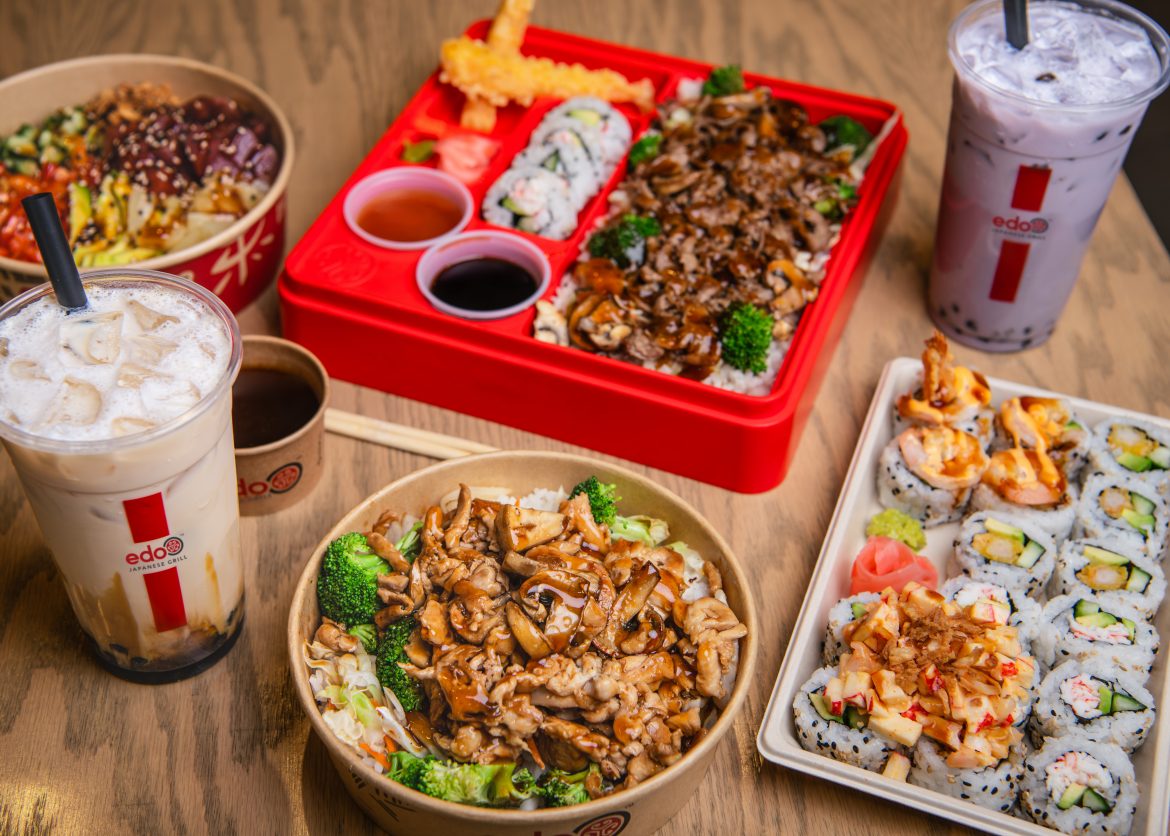
Founded in Calgary in 1979, Edo Japan has grown from a single teppan-style restaurant into one of Canada’s leading quick-service restaurant brands, with almost 220 locations nationwide and continued expansion plans across the country. The brand is known for its freshly prepared teriyaki chicken, sukiyaki beef, sushi, noodle bowls, ramen, bubble tea and its signature Teriyaki Sauce, which has grown from the heart of the restaurant menu into a sought-after retail product sold by the bottle. But behind the menu lies the real engine of their long-term success, which is rooted in a business model designed for consistency, scalability, and franchisee support.
A Business Model Built for Stability
At a time when many restaurant concepts are driven by short-term trends, Edo Japan has focused on building a stable operational system that evolves with changing consumer preferences while maintaining the reliability franchise owners need.
That balance is one reason many franchisees continue expanding within the system.

“Our growth over the last 47 years stems from a simple philosophy: we succeed when our franchisees succeed,” says Terry Foster, VP of Franchising and Operations at Edo Japan. “We’ve spent decades refining our operational model to remove guesswork for our partners. By pairing a highly adaptable, streamlined kitchen layout with a menu that commands incredible brand loyalty, we give entrepreneurs a predictable, scalable framework to build multi-unit portfolios even in a challenging economy.”
Alberta-based franchisee Kelvin Zhang currently owns five Edo Japan locations—two in Edmonton and three in Sherwood Park. For Zhang, opening additional stores was not simply about growth, but confidence in a business model that had already proven itself.
“Scaling only works when the system is designed for consistency,” says Zhang. “Edo Japan has clear operational processes, reliable supply chain support, and strong visibility into performance across locations. That allows you to make informed decisions instead of reactive ones.”
He also believes the brand’s long-term mindset is what differentiates it in a competitive market. “The business is built around long-term consumer habits and disciplined leadership, not short-term novelty,” he explains. “That stability is what makes it suitable for building assets over time.”
Modernizing the Customer Experience
Over the years, Edo Japan has continued investing in modernization and operational improvements. The company recently introduced its new “Modern Sizzle” restaurant concept, featuring a brighter, more contemporary design and an open kitchen layout that highlights the teppan grill experience. The updated format reflects the brand’s focus on operational efficiency while creating a more modern dining environment for today’s consumers.

The company has also strengthened its digital ecosystem. Edo Japan’s upgraded Edo Cash rewards program now includes a tiered membership structure that allows customers to accumulate points and unlock additional rewards based on spending levels. Combined with online ordering, appbased engagement, and delivery partnerships, the system helps franchisees build stronger customer retention and more consistent daily traffic.
Franchise Support Beyond Opening Day
Behind the scenes, franchise support remains a major part of the company’s growth strategy.
Before opening, franchisees receive extensive management and staff training, along with support in site selection, operational preparation, and soft opening execution. Ongoing oversight and operational guidance continue after launch, helping owners navigate the realities of running and scaling a restaurant business.
For many entrepreneurs, that support system has become increasingly important in an uncertain economy. Building an independent restaurant brand from scratch can be difficult, expensive, and unpredictable. A well-established franchise system, on the other hand, offers brand recognition, operational infrastructure, supply chain support, and a customer base that already understands the product.
Brand Recognition as a Competitive Advantage
From an investment perspective, Zhang views brand authority itself as a form of risk management.
“Edo Japan has strong recognition with consumers, landlords, and lenders,” he says. “Customers already understand the offering, which shortens the ramp-up period for each new location. Within the Chinese business community, reputation carries real weight, and Edo Japan’s long track record gave me confidence that I was scaling with a brand people trust.”
As the Canadian quick-service restaurant market continues evolving, Edo Japan is positioning itself not simply as a regional mall food-court brand, but as a modern national franchise system built for long-term growth.

Growing Together for the Future
For entrepreneurs looking to invest in a business with operational structure, brand recognition, and scalable potential, Edo Japan represents more than a restaurant concept. It represents an opportunity to grow alongside a brand that has spent more than four decades building stability, trust, and lasting customer loyalty in the Canadian market.