
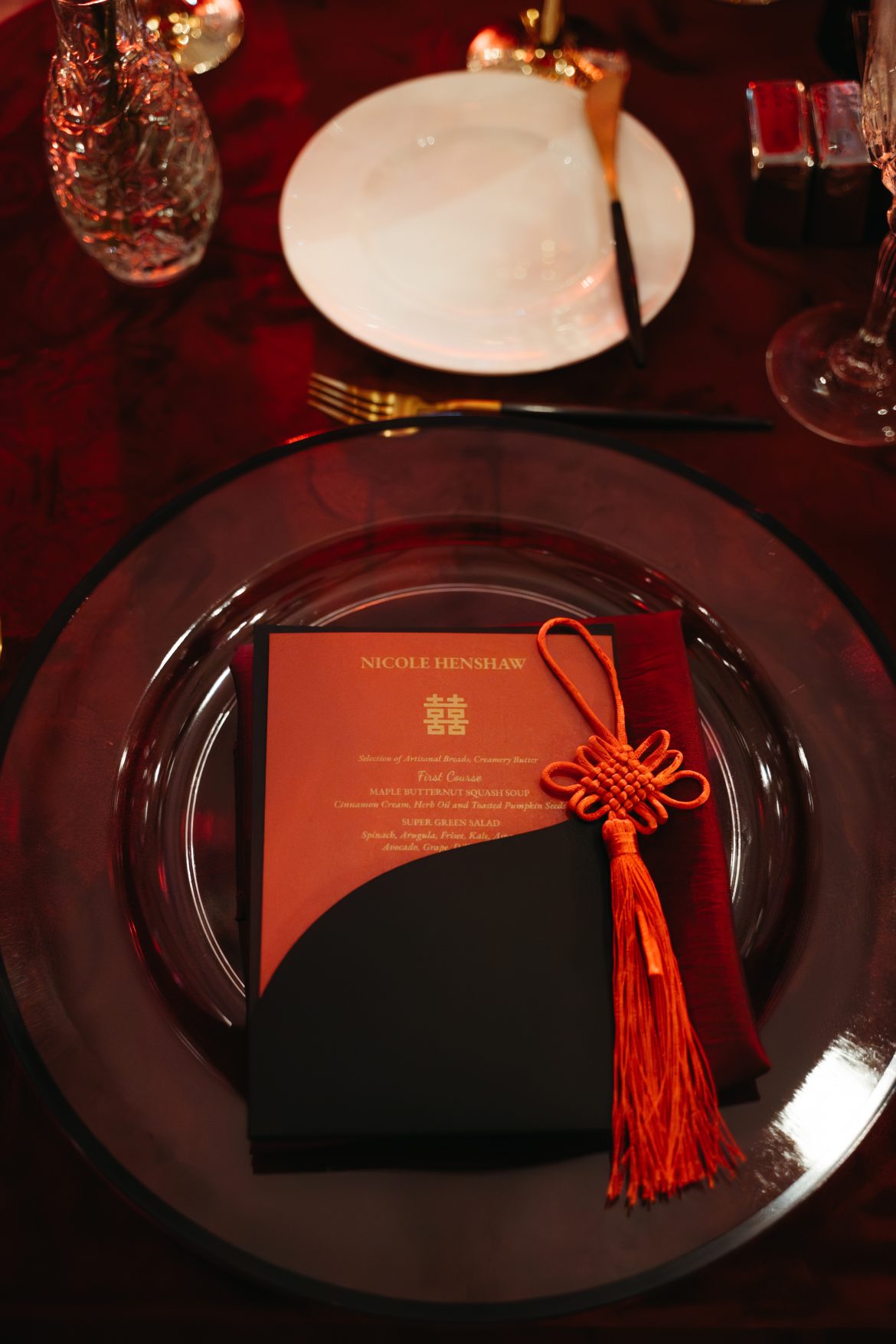
When people think about luxury celebrations, they often picture breathtaking floral installations, elaborate banquet tables, or stunning venues. But according to event designer and entrepreneur Alexandria Damouni, those elements are only part of the story. After more than sixteen years creating weddings, corporate events, and large-scale cultural celebrations across Canada, Damouni believes the true foundation of an exceptional event lies elsewhere—in the way the experience is designed from the inside out.

Most guests can immediately recognize when a celebration looks beautiful. Yet many have also experienced events that seemed flawless in photographs but somehow lacked impact in person. A wedding may feature spectacular décor, but the ceremony feels rushed. A banquet may be lavishly styled, yet the energy in the room fades as the evening progresses. The issue, Damouni suggests, is often not the budget or the talent involved, but the planning of the experience itself.
“The most successful celebrations aren’t built around individual design elements,” she says. “They’re built around how people move through the space, how moments unfold, and how the room supports the purpose of the gathering.” Damouni points to Chinese celebrations as a powerful example of this thinking.
From traditional tea ceremonies to large-scale wedding banquets, every aspect of the event carries meaning. Seating arrangements reflect relationships and family dynamics. Ceremonies honour generations of tradition. Even the flow of the evening often communicates values, respect, and community standing.
“Chinese families have long understood that a celebration is about much more than aesthetics,” she explains. “The ceremony itself is the foundation. The visual details enhance the experience, but they aren’t what creates its meaning.” This perspective has become increasingly relevant as younger generations seek celebrations that feel both visually impressive and deeply personal.

Over the years, Damouni developed what she calls The Spatial Method™, a design framework focused on creating experiences before selecting decorative elements. Rather than beginning with colours, flowers, or Pinterest boards, the process starts with questions about emotion, purpose, and guest experience.
- How should a tea ceremony feel for this particular family?
- How can intimacy be preserved within a large venue?
- What journey will guests experience from the moment they arrive until the final toast?
Only after those questions are answered do the visual details come into focus. “The flowers, lighting, and décor are important,” Damouni says. “But they work best when they’re supporting something that’s already been thoughtfully designed.”

Many families today have attended events around the world—from Hong Kong and Shanghai to Singapore, London, and Toronto. They have experienced spaces that feel effortless, immersive, and emotionally resonant, even when the reasons aren’t immediately obvious. What they’re responding to, Damouni believes, is intentional design at a deeper level.
The future of luxury celebrations may not be about adding more extravagant details. Instead, it may be about creating experiences that feel cohesive, meaningful, and memorable from beginning to end. Because long after the flowers are gone, what people remember most is how a celebration made them feel.
